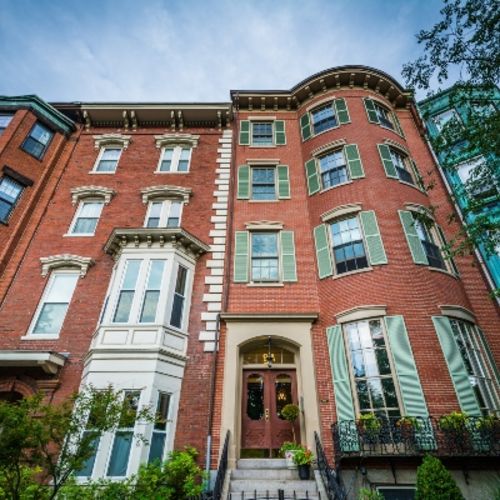
Buying a Boston Condo: 12 Questions to Ask Before Making an Offer
The quick answer
Before buying a Boston condo, investigate the individual unit and the condominium association.
Review the building’s budget, reserves, insurance, meeting minutes, assessments, maintenance history, rules and financing eligibility. A newly renovated kitchen cannot compensate for an association facing major unfunded repairs.
1. What does the condominium fee include?
Do not compare condo fees without understanding what they cover.
A fee may include:
- Heat or hot water.
- Water and sewer.
- Master insurance.
- Professional management.
- Elevator maintenance.
- Concierge or security.
- Landscaping and snow removal.
- Building reserves.
- Fitness rooms or other amenities.
A $700 monthly fee that includes heat and professional management may be more reasonable than a $300 fee in a building that is not saving for future repairs.
2. How much money is in reserve?
Reserves are funds intended for major repairs and replacement of common building components.
Ask how much is currently available and whether the association has a reserve study or capital plan. The appropriate reserve balance depends on the building’s size, age, condition, systems and planned work.
Massachusetts condominium law includes requirements addressing association financial reporting and reserve funds, although the governing documents and specific association decisions remain important.
3. Are there current or proposed special assessments?
Ask about both approved assessments and projects under discussion.
Common Boston condo projects include:
- Masonry and repointing.
- Roof replacement.
- Window work.
- Elevator modernization.
- Balcony or deck repairs.
- Garage restoration.
- Waterproofing.
- Heating-system replacement.
- Fire-alarm or sprinkler upgrades.
Determine whether the quoted assessment is likely to cover the full project or whether additional charges may follow.
4. What do the meeting minutes reveal?
Meeting minutes can show how well the building is managed and what owners are concerned about.
Look for recurring discussion of leaks, insurance, unpaid fees, litigation, noise, rentals, structural repairs or disputes between owners.
One isolated leak may not be alarming. Three years of repeated discussion without a permanent solution deserves closer investigation.
5. Is the building properly insured?
Request the master insurance information and have it reviewed by your lender and insurance professional.
The building policy typically covers common elements and portions of the structure. Buyers generally need a separate unit-owner policy for interior improvements, belongings, liability and other exposures.
Fannie Mae and Freddie Mac evaluate factors including project insurance, critical repairs, reserves and assessments when determining whether certain condo loans meet their standards.
6. Is the condo eligible for my financing?
Loan approval involves more than your income, credit and down payment. The project may also need to meet lender requirements.
Potential concerns can include:
- Inadequate insurance.
- Major deferred maintenance.
- Pending litigation.
- High delinquency rates.
- Excessive commercial space.
- Investor concentration.
- Unresolved structural conditions.
- An association controlled by the developer.
Ask your lender to begin reviewing the building as early as possible.
7. What percentage of the building is owner occupied?
A high concentration of rentals is not automatically negative, but it can affect building culture, lender requirements and resale.
Also ask whether one investor owns several units and whether the association limits future rentals.
8. Are short-term rentals allowed?
Do not assume that Airbnb or other short-term rentals are permitted.
Review the master deed, trust, bylaws, rules and applicable city requirements. Some buildings prohibit rentals entirely, require a minimum lease term, cap the number of rented units, or require trustee approval.
9. What are the pet rules?
Confirm:
- Whether pets are allowed.
- Size or breed limitations.
- Number of permitted pets.
- Registration requirements.
- Rules for common areas.
- Whether existing permissions transfer to a new owner.
A listing description saying “pet friendly” is not a substitute for reading the actual rule.
10. Who is responsible for windows, decks and other limited common areas?
The owner may have exclusive use of a roof deck, balcony, patio, parking space or storage area without having full ownership or maintenance responsibility.
Review the unit deed and condominium documents to determine:
- Whether the area is deeded or assigned.
- Who repairs it.
- Who insures it.
- Whether alterations are allowed.
- Whether the right transfers with the unit.
11. Were the unit’s renovations properly approved?
Ask whether renovations required:
- A building permit.
- Electrical or plumbing permits.
- Historic-district approval.
- Association approval.
- Architectural or engineering review.
This is particularly important when walls were removed, decks were added, basements were finished, plumbing was relocated, or common building systems were altered.
12. What will the property cost beyond the mortgage?
Calculate the complete monthly and annual cost:
- Principal and interest.
- Property taxes.
- Condominium fees.
- Unit-owner insurance.
- Flood insurance, when applicable.
- Utilities.
- Parking.
- Maintenance inside the unit.
- Anticipated assessments.
A condo with a lower purchase price is not necessarily less expensive when its monthly obligations and capital needs are considered.
Frequently asked questions
Should I avoid a building with a special assessment?
Not automatically. Determine what the assessment will accomplish, whether the work is necessary, whether the amount is adequate, and who will pay the remaining balance.
Can I inspect the common areas?
Ask your inspector to observe reasonably accessible common areas and the visible building exterior. Specialized roof, masonry, structural or engineering evaluations may be appropriate for certain properties.
When should my attorney review the condo documents?
As early as the transaction allows. Your attorney can advise you about document-review rights, deadlines, restrictions and legal obligations.
Is a self-managed condo risky?
Not inherently. A small self-managed association can operate very well, but buyers should confirm that records, insurance, maintenance and financial planning are organized.
Buy the building, not just the unit
The most attractive room in the condo should not distract you from the condition of the roof, foundation, façade, plumbing, insurance or association finances.
Remmes & Co. helps Boston-area buyers evaluate both the lifestyle and the underlying risks of condominium ownership before making a commitment.
This article provides general information and is not legal, lending, engineering or insurance advice.
Check out this article next