What Should I Fix Before Selling My Boston Home?
The quick answer
Before selling a Boston home, prioritize repairs that improve buyer confidence, presentation and financing eligibility.
Correct active leaks, unsafe conditions, damaged surfaces, strong odors and obvious deferred maintenance. Then focus on paint, lighting, floors, cleaning and staging. Avoid starting an expensive renovation until you understand whether the likely increase in sale price will justify the cost and delay.
Start with problems that make buyers nervous
Buyers can usually accept cosmetic imperfection when the price reflects it. They become more cautious when a property suggests hidden expense or poor maintenance.
Address visible concerns such as:
- Active plumbing leaks.
- Water stains with an unresolved cause.
- Damaged electrical fixtures.
- Nonfunctioning heat or air conditioning.
- Loose railings.
- Broken windows.
- Rotting exterior wood.
- Peeling paint.
- Missing smoke or carbon-monoxide detectors.
- Pest activity.
- Strong smoke, moisture or pet odors.
Repairing the cause is more important than covering the evidence. Painting over a water stain without correcting the leak can create greater concern during inspection.
Painting usually provides strong value
Fresh paint can make a home feel cleaner, brighter and better maintained.
Choose colors that complement the property and create continuity. Neutral does not have to mean stark white. Warm whites, soft grays, light taupes and muted natural colors can photograph well while allowing architectural detail to remain visible.
Prioritize:
- Entry areas.
- Main living spaces.
- Kitchens.
- Primary bedrooms.
- Scuffed hallways.
- Trim and doors.
- Rooms with dark or highly personalized colors.
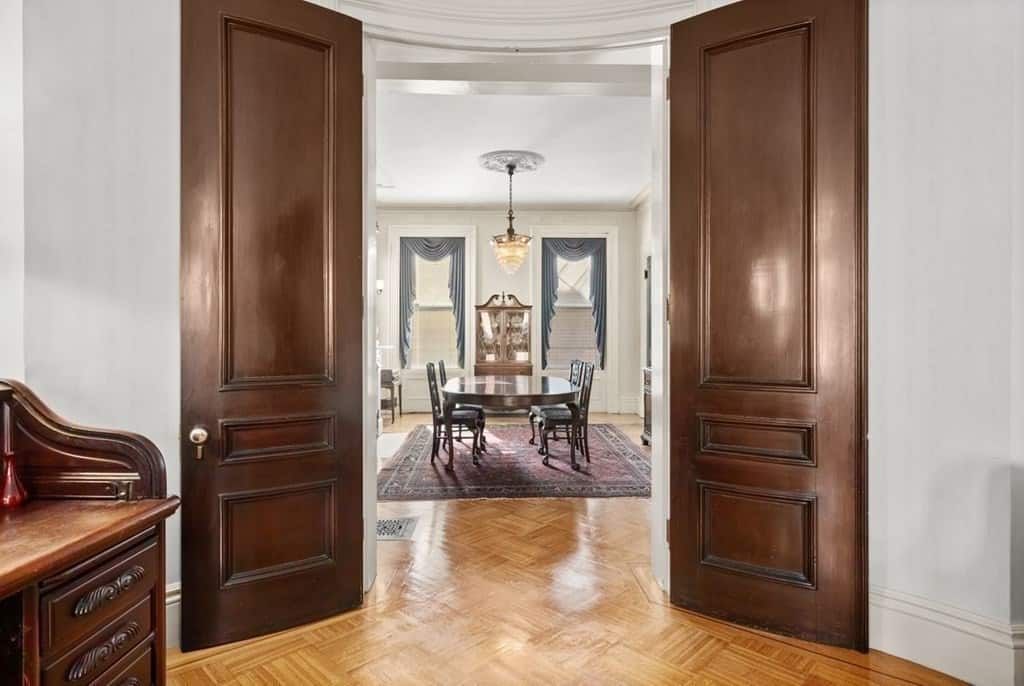
Historic detail, dramatic dining rooms and carefully selected wallpaper can be appealing. The goal is not to remove every sign of character. It is to eliminate finishes that distract buyers from the home itself.
Refinish floors when wear is highly visible
Boston buyers respond strongly to attractive hardwood floors.
Refinishing may be worthwhile when floors are deeply scratched, discolored or inconsistent. When full refinishing is unnecessary, professional cleaning, minor repair and touch-up work may be enough.
Carpeting that is stained, worn or retaining odors should usually be replaced or removed before photography.
Improve lighting
Dark rooms appear smaller online and in person.
Replace burnt-out bulbs and use consistent light temperatures. Clean fixtures, windows and shades. Remove heavy window treatments when they block natural light.
An outdated fixture in a dining room, entry or kitchen can sometimes be replaced inexpensively while significantly improving the room’s appearance.
Do not automatically renovate the kitchen
A complete kitchen renovation can improve value, but it may not be the best pre-sale investment.
Before replacing everything, consider:
- Painting or professionally refinishing cabinets.
- Updating hardware.
- Replacing damaged counters.
- Installing a simple backsplash.
- Updating lighting.
- Repairing appliances.
- Replacing an outdated faucet.
- Recaulking.
- Deep cleaning.
Buyers may prefer to make their own design choices. A rushed renovation using inexpensive materials can be less appealing than a clean, functional kitchen priced appropriately.
Bathrooms should feel exceptionally clean
Bathrooms have a disproportionate effect on buyer perception.
Focus on:
- Repairing leaks.
- Recaulking tubs and showers.
- Cleaning grout.
- Replacing damaged toilet seats.
- Updating mirrors or lighting.
- Correcting peeling paint.
- Improving ventilation.
- Removing rust and mineral buildup.
- Providing fresh towels for showings.
A dated but spotless bathroom can perform better than a partially renovated bathroom with poor workmanship.
Address odors before listing
Homeowners frequently become accustomed to odors in their own properties.
Smoke, pets, dampness, cooking and heavily scented products can make buyers leave quickly. Identify and correct the source rather than attempting to mask it with fragrances.
Possible solutions include:
- Professional cleaning.
- Washing walls and ceilings.
- Cleaning HVAC components.
- Removing affected carpeting.
- Treating subfloors.
- Correcting moisture.
- Cleaning upholstery.
- Using appropriate professional odor-remediation services.
Do not rely on candles or air fresheners. Strong fragrance may cause buyers to wonder what is being concealed.
Decluttering is not the same as removing everything
A vacant home is not always easier for buyers to understand. Proper furniture placement can demonstrate scale, purpose and flow.
Remove enough belongings to:
- Create clear walkways.
- Show the dimensions of each room.
- Make closets appear functional.
- Reduce visual distraction.
- Emphasize windows and architectural details.
Storage lockers, basements, garages and utility areas also matter. Buyers want to understand where their belongings will go.
Repairs that may affect financing
Certain conditions can create appraisal or financing concerns, particularly with some government-backed loan programs.
Potential issues include:
- Peeling exterior paint.
- Missing railings.
- Unsafe electrical conditions.
- Broken windows.
- Active roof leaks.
- Nonfunctioning heat.
- Significant water damage.
Your agent should evaluate the likely buyer pool and financing before the property enters the market.
What should you avoid doing?
Avoid spending heavily on projects that:
- Reflect highly personal taste.
- Will not be completed professionally.
- Require uncertain permitting.
- Delay the ideal listing date.
- Cost more than buyers are likely to recognize.
- Correct a symptom without correcting the cause.
The objective is not to make the property perfect. It is to improve confidence, remove preventable objections and present the home at its best.
Frequently asked questions
Should I sell my Boston home as-is?
“As-is” does not eliminate disclosure responsibilities or prevent a buyer from conducting due diligence. It generally indicates that the seller does not intend to make repairs after accepting an offer.
Is professional staging worth it?
It can be, particularly for vacant homes, unusual layouts, small rooms or higher-end properties. Partial staging and a professional consultation may be sufficient for an occupied home.
Should I replace old appliances?
Replace an appliance when it does not work or substantially harms the presentation. A functioning older appliance may not justify replacement when the buyer is likely to renovate.
How much should I spend preparing my home?
There is no universal percentage. Develop a property-specific preparation budget based on likely value, buyer expectations, condition and anticipated return.
Prepare strategically, not emotionally
Before beginning renovations, Remmes & Co. helps Boston-area sellers separate the work that will improve the outcome from the work that is unlikely to be recovered.
The best preparation plan considers cost, timing, marketability and the property’s likely buyer—not merely what looks attractive on a renovation show.
Handled with clarity and intent.
Check out this article next